
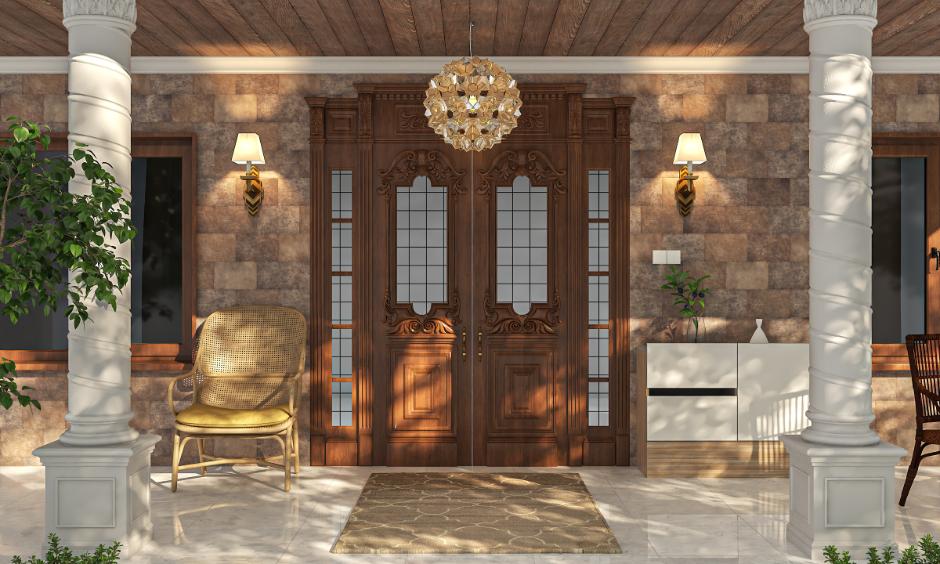
In the world of interior design, the foyer is more than just a transition zone; it is the “handshake” of your home. Whether you live in a compact studio or a sprawling penthouse, your apartment flat main entrance design sets the narrative for your entire living space.
In this comprehensive guide, we explore how to blend aesthetics with functionality, ensuring your entrance is not only Instagram-worthy but also a masterclass in spatial efficiency.
1. Why Entrance Design is the Most Important Part of Your Apartment
When guests arrive, the first 10 seconds dictate their perception of your home. A cluttered, dark entrance suggests a chaotic household, while a curated, bright foyer signals sophistication and calm.
From an SEO and real estate perspective, homes with well-defined entryways often command higher perceived value. Beyond aesthetics, the entrance serves as a “decompression zone” where you shed the stress of the outside world before entering your sanctuary.
2. Illuminating the Path: Strategic Lighting for Main Entrances
Lighting is the most effective way to manipulate the mood of a small apartment foyer. Since most apartment corridors lack natural windows, artificial lighting must do the heavy lifting.
Layered Lighting Techniques
To create a professional look, don’t rely on a single source. Use the three-layer rule:
- Ambient Lighting: A flush-mount ceiling light or a statement chandelier provides the base layer of light.
- Task Lighting: If you have a console table for mail or keys, a stylish table lamp ensures you aren’t fumbling in the dark.
- Accent Lighting: Use LED strip lights under floating cabinets or wall sconces to highlight artwork.
Pro Tip: Install a motion-sensor light near the door. It’s a functional “smart home” upgrade that ensures you never walk into a dark apartment when your hands are full of groceries.
3. High-Traffic Flooring Solutions
The entrance floor endures the most wear and tear, from muddy shoes to heavy deliveries. Your choice of material must balance durability with style.
Top Material Picks for Apartment Foyers:
- Porcelain Tiles: Extremely durable and available in patterns that mimic marble or wood.
- Engineered Hardwood: Offers the warmth of real wood but with better resistance to moisture and temperature shifts common near doorways.
- Natural Stone: Granite or slate provides a premium, timeless feel.
- Luxury Vinyl Plank (LVP): An affordable, waterproof option that is perfect for renters who want a high-end look on a budget.
Using Rugs to Define Space
In open-concept apartments, a runner rug acts as a visual boundary. Opt for low-pile, synthetic fibers like polypropylene which are easy to spot-clean and won’t trip up guests.
4. Smart Storage: Conquering the “Drop Zone” Chaos
The biggest challenge in apartment flat main entrance design is managing clutter. Shoes, umbrellas, and coats can quickly overwhelm a small space.
Vertical Storage Solutions
When floor space is limited, look up.
- Floating Shelves: Use these for decorative items or baskets for mail.
- Wall-Mounted Coat Racks: Choose “flip-up” hooks that stay flush against the wall when not in use.
- Hidden Shoe Cabinets: Slim-profile cabinets (like the IKEA Hemnes style) can store 12+ pairs of shoes while taking up less than 10 inches of floor depth.
The Power of the Console Table
A narrow console table serves as the anchor of the entrance. Choose one with drawers to hide “invisible clutter” like spare change, batteries, and dog leashes.
5. Decorating for Character and Personality
Your entrance shouldn’t look like a hotel lobby; it should look like you.
- Gallery Walls: Use the hallway leading from the door to display family photos or travel mementos.
- Biophilic Design: A “Snake Plant” or “ZZ Plant” thrives in the low-light conditions typical of apartment entrances and adds a burst of life.
- Scent Branding: Use a reed diffuser with a signature scent (like sandalwood or citrus) to create an immediate sensory connection.
6. Furniture: Creating a Welcoming Seating Area
If space permits, adding furniture makes the entrance feel like a functional room rather than just a hallway.
- The Entryway Bench: A small upholstered bench provides a spot to sit while putting on shoes.
- Ottomans: If a bench is too large, a pair of “tuck-away” ottomans under a console table can be pulled out when extra guests arrive.
7. Choosing the Perfect Color Palette
Colors dictate the “volume” of the room.
| Vibe | Recommended Colors |
|---|---|
| Spacious & Airy | Crisp White, Soft Greige, Pale Blue |
| Moody & Sophisticated | Navy Blue, Charcoal, Forest Green |
| Warm & Energetic | Terracotta, Mustard Yellow, Soft Peach |
The 60-30-10 Rule: Use a neutral base for 60% of the space (walls), a secondary color for 30% (furniture/rugs), and a bold accent color for the final 10% (décor/artwork).
8. The Magic of Mirrors
In interior design, mirrors are the oldest trick in the book for a reason.
- Reflecting Light: A mirror placed opposite a light source doubles the brightness of the foyer.
- Creating Depth: A large, floor-length mirror can make a cramped 4-foot wide entrance feel like an expansive hall.
- The “Last Look”: It provides a functional spot for a quick grooming check before you head out the door.
9. Accessibility and Universal Design
A truly great design is inclusive. Ensure your entrance is navigable for everyone.
- Clear Clearance: Maintain at least 36 inches of walking space.
- Non-Slip Surfaces: Use rug grippers or textured tiles to prevent slips on rainy days.
- Easy-Grasp Hardware: If you are renovating, choose lever-style door handles instead of knobs for easier access.
10. Conclusion: Bringing Your Vision to Life
Designing the main entrance of your apartment flat is a balancing act between form and function. By focusing on smart storage, strategic lighting, and durable materials, you transform a mere doorway into a grand transition.
Remember, the best designs are those that evolve. Start with the essentials—good lighting and a place for your keys—and build your aesthetic over time.
Summary Checklist for Your Entrance Project:
- Choose a durable flooring material (Tile/LVP).
- Install three layers of lighting.
- Add a slim shoe storage solution.
- Hang a mirror to increase visual space.
- Incorporate a “nature” element (plant or flowers).
Leave a Reply